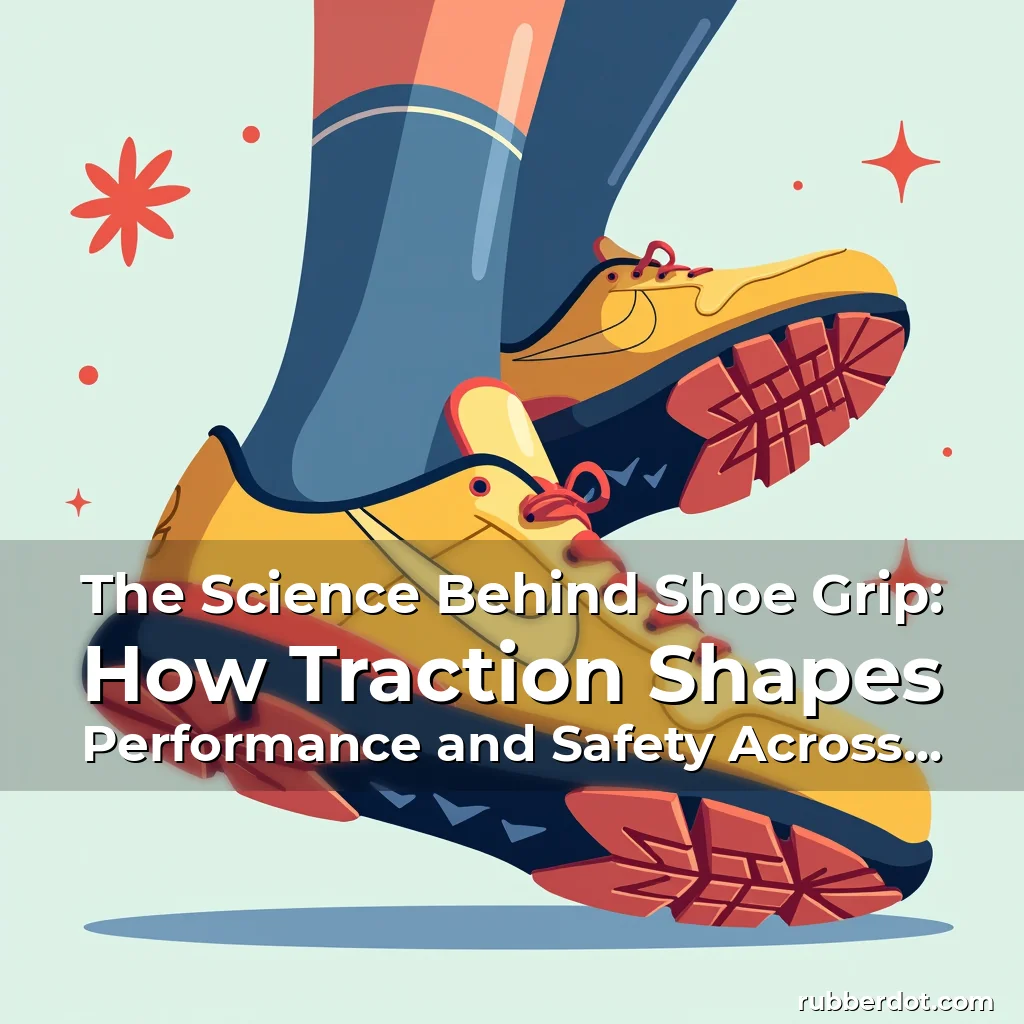
The Science Behind Shoe Grip: How Traction Shapes Performance and Safety Across Activities
In an age where every movement matters—from athletic performance to daily commutes—the importance of shoe grip cannot be overstated. Whether you’re sprinting across a track, hiking through rugged terrain, or simply walking on wet pavement, the right level of traction can mean the difference between success and failure, safety and injury.
This article dives deep into the world of shoe grip, exploring its science, technology, materials, applications, and maintenance. Discover how manufacturers engineer shoes to provide optimal traction, why certain soles outperform others, and what steps you can take to ensure your footwear remains as grippy as possible over time.
Understanding the Fundamentals of Shoe Traction
Shoe grip refers to the ability of a shoe’s sole to maintain contact with various surfaces while minimizing slipping or sliding. This is achieved through the interaction between the shoe’s material and the surface texture. The effectiveness of this connection determines not only comfort but also overall performance during physical activities.
Traction levels vary based on several factors including the type of material used in the sole, the design of the tread pattern, and environmental conditions such as moisture or temperature. Understanding these elements helps users make informed choices when selecting appropriate footwear for their needs.
For instance, running shoes often feature deeper treads compared to dress shoes which typically have smoother soles designed primarily for aesthetics rather than function. This distinction highlights how different purposes require tailored solutions regarding shoe grip.
- Material composition: Rubber compounds are commonly used due to their high coefficient of friction against most surfaces.
- Tread depth: Deeper treads generally offer better grip on rougher or uneven ground.
- Surface condition: Wet or icy surfaces significantly reduce available traction regardless of shoe quality.
The Role of Material Innovation in Enhancing Traction
Over recent years, advancements in material science have played a pivotal role in improving shoe grip. Manufacturers now utilize specialized rubbers that adhere well to both natural and synthetic surfaces without compromising durability or flexibility.
Cross-linked polymers and nano-coatings represent some cutting-edge innovations aimed at maximizing adhesion properties. These technologies allow for enhanced wear resistance while maintaining superior gripping capabilities under diverse weather conditions.
One notable example includes the use of graphene-infused rubber blends, known for providing exceptional strength-to-weight ratios along with remarkable adherence qualities even after prolonged exposure to harsh environments.
Pioneering Materials in Modern Footwear
A study published by the International Journal of Sports Engineering found that shoes incorporating carbon nanotubes showed up to 38% increased grip force compared to traditional rubber compositions. Such findings underscore the potential impact of new materials on enhancing safety and performance metrics across sports disciplines.
Furthermore, biodegradable alternatives made from plant-based oils show promise as eco-friendly options that do not sacrifice functional attributes related to traction effectiveness. As sustainability becomes increasingly important within consumer markets worldwide, future developments may prioritize environmentally conscious yet highly effective gripping solutions.
Design Considerations Influencing Effective Traction
While advanced materials contribute greatly towards achieving good traction, thoughtful design plays equally vital roles in determining how effectively those materials perform under real-world scenarios. Designers must balance form with functionality ensuring that aesthetic appeal does not come at the expense of practical utility.
The placement and shape of treads are critical aspects influencing grip characteristics. Wider grooves tend to channel away water more efficiently thus reducing hydroplaning risks especially beneficial for outdoor enthusiasts who frequently encounter adverse weather conditions.
Additionally, directional patterns guide motion helping athletes achieve greater control during lateral movements essential for sports requiring quick changes in direction such as basketball or soccer.
- Directional vs non-directional treads: Directional treads enhance forward propulsion whereas non-directional ones promote stability across varied directions.
- Groove width & depth: Optimal groove dimensions depend heavily upon intended usage; narrower grooves suit urban settings while wider ones cater specifically toward off-road adventures.
- Flexibility zones: Strategically placed flexible areas increase adaptability allowing feet to conform naturally onto complex terrains thereby boosting overall holding power.
Evaluating Traction Across Different Environments
Different environments demand distinct types of traction features depending upon prevailing surface textures and climatic variables affecting grip reliability. Urban dwellers might prefer lighter weight designs optimized for smooth concrete pathways whereas hikers would benefit immensely from heavier duty boots equipped with aggressive lugged soles capable of penetrating dense vegetation layers.
Weather-related challenges pose additional hurdles requiring specialized adaptations. Rain-soaked streets necessitate extra measures like specially formulated rubber compounds resistant to aquaplaning phenomena which could otherwise lead catastrophic falls particularly dangerous situations involving heavy rainfall events common in tropical regions.
Maintaining consistent performance amidst changing environmental circumstances demands thorough understanding regarding suitable configurations matching particular activity requirements alongside regular inspection routines checking for signs indicating deterioration needing replacement before incidents occur.
Performance Applications Requiring High Levels Of Traction
Professionals engaged in physically demanding occupations rely heavily upon reliable traction mechanisms embedded within their work attire. Firefighters operating inside burning buildings need sturdy soled boots offering adequate resistance against scorching embers flying through air currents potentially igniting flammable substances present nearby locations.
Similarly, construction workers ascending scaffolding structures must possess secure footing preventing accidental slips resulting serious injuries sometimes leading permanent disabilities if precautions aren’t taken properly beforehand establishing baseline standards governing occupational health regulations globally.
Emergency responders executing rescue missions amidst chaotic disaster sites face unpredictable terrain variations ranging slippery mud patches adjacent steep inclines demanding versatile footwear systems adaptable rapidly shifting landscape conditions encountered regularly during emergency operations.
- Occupational hazards mitigation: Specialized footwear reduces risk factors associated with workplace accidents promoting safer working environments conducive long-term productivity gains among employees.
- Adaptive responses: Customizable traction profiles enable personalized adjustments catering individual mobility needs ensuring equitable access facilities irrespective user capability differences existing populations.
- Ergonomic integration: Thoughtful incorporation ergonomic principles enhances usability facilitating seamless transitions between tasks performed routinely professional contexts enhancing operational efficiency considerably.
Maintenance Practices To Preserve Optimal Traction Levels
Regardless of initial quality inherent any given pair footwear eventual degradation inevitable consequence continuous usage subjected abrasive forces eroding original structural integrity progressively diminishing efficacy over extended periods. Regular upkeep procedures crucial prolong lifespan simultaneously sustaining peak performance standards consistently.
Simple cleaning routines employing mild soap diluted warm water suffice removing accumulated dirt debris obstructing normal functioning components responsible generating necessary friction required successful engagements respective activities pursued individuals respectively.
Periodic inspections identifying worn-out sections replacing damaged parts promptly prevents further complications arising delayed repairs potentially causing irreparable harm jeopardizing personal safety significantly increasing likelihood experiencing debilitating injuries unexpectedly.
- Regular cleaning: Thoroughly clean soles periodically using gentle detergents avoiding harsh chemicals damaging sensitive coatings applied during manufacturing processes.
- Inspection checks: Routinely examine footwear looking indications abnormal wear patterns signaling imminent failures needing immediate attention prior incident occurrence.
- Replacement schedules: Establish routine replacement timelines based manufacturer recommendations accounting frequency intensity usage experienced users tracking mileage accrued estimating remaining useful life expectancy accurately.
Future Trends In Shoewear Technology Regarding Enhanced Gripping Capabilities
As technological advances continue reshaping industries surrounding apparel production shoemaking sector poised significant transformations promising unprecedented improvements concerning traction enhancement methodologies currently employed conventional approaches prevalent today’s marketplace.
Emerging trends suggest utilization smart textiles integrating sensor arrays capable monitoring pressure distribution dynamically adjusting grip intensities accordingly modifying microstructures embedded beneath outer layers automatically responding fluctuating external stimuli detected sensors located strategic points throughout entire structure.
Furthermore ongoing research focuses development self-repairing polymer matrices exhibiting regenerative abilities restoring lost functionalities spontaneously whenever minor damages incurred everyday interactions facilitating prolonged service lives substantially reducing maintenance burdens faced consumers utilizing these products extensively.
- Smart responsive fabrics: Integration intelligent fabric elements allows adaptive modifications adapting instantaneously according environmental cues optimizing grip levels precisely matching current situation requirements.
- Self-healing materials: Revolutionary composite formulations possessing innate restorative properties enabling automatic restoration injured regions eliminating necessity manual interventions preserving complete operational capacity indefinitely.
- Nanotechnology enhancements: Microscopic engineering techniques manipulating atomic arrangements create ultrafine textured interfaces amplifying interfacial bonding strengths elevating overall adhesiveness reaching previously unattainable thresholds surpassing limitations imposed traditional methods.
Conclusion
From athletic pursuits to industrial applications, shoe grip remains a fundamental element influencing everything from personal safety to competitive edge. By grasping underlying scientific principles guiding modern footwear innovations we empower ourselves making smarter decisions regarding our choice of shoes aligning perfectly with specific lifestyle demands.
To maximize benefits derived from advanced traction technologies remember always prioritize regular maintenance practices coupled awareness latest developments shaping tomorrow’s shoeware landscape ensuring continued enjoyment fulfilling experiences wherever journeys take us next adventure awaits!

news is a contributor at RubberDot.com. We are committed to providing well-researched, accurate, and valuable content to our readers.