The Resurgence of Fashion Rubber: A New Era in Sustainable Styling
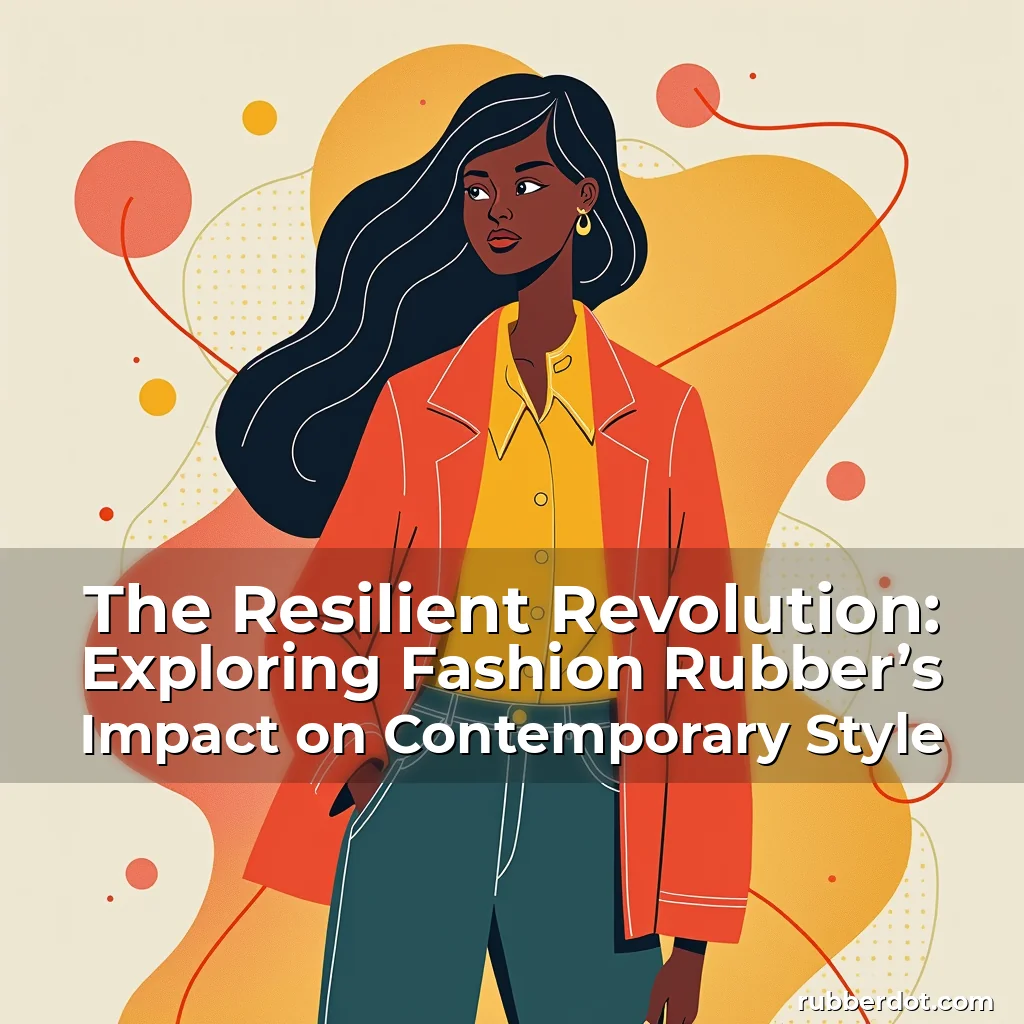
In an age where sustainability meets innovation, the world of fashion is undergoing a transformative shift that has given rise to a remarkable material: fashion rubber. This innovative fabric, derived from natural latex, is not only making waves in the industry but also redefining what it means to be stylish while being eco-conscious.
Fashion rubber offers a versatile solution for designers aiming to merge functionality with aesthetics, creating pieces that are both durable and visually striking. As consumers become increasingly aware of their environmental impact, the demand for sustainable materials continues to grow, positioning fashion rubber as a key player in the future of wearable art.
The Origins and Evolution of Fashion Rubber
Rubber, originally harvested from the Hevea brasiliensis tree, has been used by humans for centuries, dating back to ancient Mesoamerican civilizations who first discovered its properties around 1600 BCE. Initially utilized for balls and ceremonial items, the material’s elasticity made it ideal for various applications over time.
With industrialization in the 19th century came the development of vulcanized rubber, a process pioneered by Charles Goodyear in 1839. This breakthrough significantly enhanced the durability and versatility of rubber, paving the way for its integration into everyday products, including footwear and accessories.
- Vulcanization Process: Involves heating raw rubber with sulfur to create stronger molecular bonds, resulting in improved resilience against heat and wear.
- Modern Innovations: Contemporary techniques now allow for the creation of biodegradable and recycled rubber, addressing previous concerns about non-biodegradability and environmental impact.
Sustainable Practices in Fashion Rubber Production
The production of fashion rubber is increasingly focused on minimizing ecological footprints through sustainable practices. Ethical sourcing initiatives have emerged to ensure that the harvesting of latex does not harm local ecosystems or exploit workers involved in the supply chain.
Organic farming methods promote biodiversity and reduce chemical usage, contributing to healthier environments for communities surrounding rubber plantations. These efforts reflect a growing commitment within the industry to align with global sustainability goals and consumer expectations.
Eco-Friendly Benefits of Organic Latex Harvesting
According to recent studies, organic latex harvesting can decrease pesticide use by up to 80% compared to conventional methods, significantly reducing soil contamination and protecting wildlife habitats. Moreover, these practices support fair wages for laborers, enhancing social equity within rural areas reliant on rubber cultivation.
This transition towards organic latex not only benefits the environment but also fosters economic stability among small-scale farmers, ensuring long-term viability for both people and planet.
Innovative Applications of Fashion Rubber in Modern Design
Designers today are leveraging the unique characteristics of fashion rubber to craft avant-garde garments and accessories that challenge traditional notions of clothing. From high-fashion runway pieces to functional streetwear, the adaptability of this material allows for creative experimentation without compromising quality.
One notable trend involves using fashion rubber in conjunction with other fabrics such as silk and wool to produce hybrid designs that blend softness with structure. This fusion results in outfits that are not only aesthetically pleasing but also offer practicality for diverse climates and occasions.
The Role of Fashion Rubber in Eco-Conscious Consumerism
As awareness about fast fashion’s negative impacts grows, consumers are gravitating toward brands that prioritize ethical manufacturing processes and environmentally friendly materials. Fashion rubber exemplifies this shift, offering a compelling alternative that satisfies both style preferences and moral considerations.
Purchasing items crafted from fashion rubber supports companies committed to transparency in their operations, encouraging others in the industry to adopt similar standards. This collective movement contributes to broader changes within the fashion landscape, promoting responsible consumption habits.
Challenges Faced by the Fashion Rubber Industry
Despite its many advantages, the adoption of fashion rubber faces several challenges. One primary issue lies in scaling production while maintaining high-quality standards; larger quantities often lead to compromises in texture or flexibility unless advanced technologies are employed during processing stages.
Additionally, there remains skepticism regarding how well fashion rubber holds up under rigorous conditions compared to synthetic alternatives commonly found in mass-market apparel lines. Addressing these perceptions requires ongoing research and marketing strategies aimed at educating potential buyers about the true capabilities of this material.
Future Trends and Predictions for Fashion Rubber
Looking ahead, experts predict significant growth in the utilization of fashion rubber across various sectors within the textile industry. Advancements in nanotechnology may soon enable manufacturers to enhance properties like water resistance or breathability without sacrificing comfort levels typically associated with natural fibers.
Moreover, collaborations between tech startups specializing in bio-based polymers could yield new forms of fashion rubber capable of self-repairing minor damages—an exciting prospect poised to revolutionize garment longevity and reduce waste generation overall.
Celebrating Innovation Through Fashion Shows and Exhibitions
Several international events showcase cutting-edge uses of fashion rubber through dedicated showcases highlighting experimental collections designed specifically for these platforms. Such exhibitions serve as catalysts for dialogue amongst professionals concerning best practices related to incorporating sustainable materials effectively into mainstream fashion trends.
These gatherings attract attention from influential figures within the industry—designers, retailers, journalists—who then disseminate information about emerging styles featuring fashion rubber back home via media channels or personal networks, thus amplifying visibility globally.
Conclusion
The resurgence of fashion rubber signifies more than just another passing fad; rather, it represents a pivotal moment where technology converges with ecology to reshape our relationship with textiles forevermore.
By embracing this evolution responsibly—choosing wisely which brands align most closely with personal values—and supporting innovations that prioritize sustainability alongside creativity, we collectively contribute positively towards building a better future rooted firmly in conscious choices every day.