The Vibrant World of Color Pop: A Kaleidoscope of Trends and Techniques in Modern Design
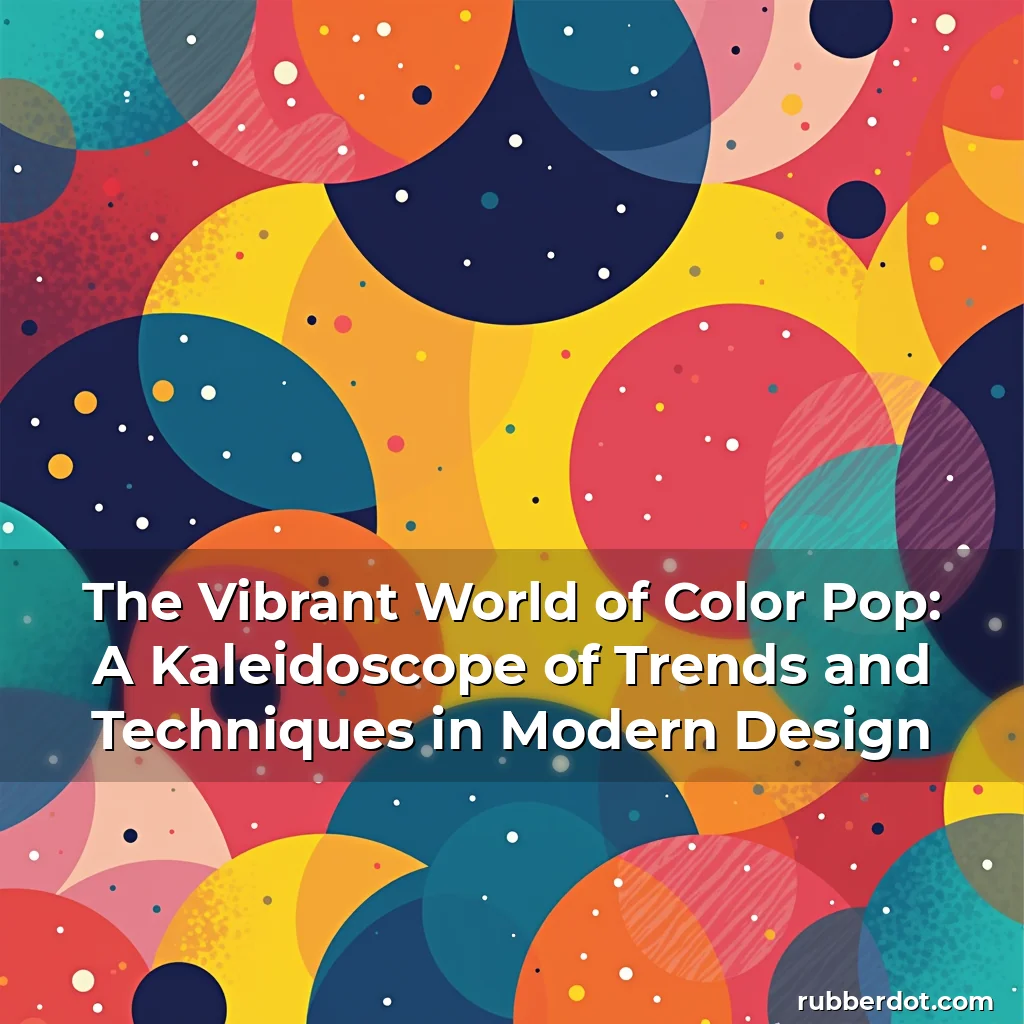
In an era where visual impact reigns supreme, “color pop” has emerged as a dynamic force that transforms ordinary designs into extraordinary statements. This technique involves using bold, contrasting colors against neutral backdrops to create striking focal points, whether in fashion, interior design, digital media, or fine art.
The allure of color pop lies not only in its ability to catch attention but also in how it can evoke emotions, convey messages, and define brand identities across various platforms. As we explore deeper, you’ll discover why this trend continues to captivate creators and audiences alike.
The Origins and Evolution of Color Pop
Color pop is not merely a modern fad; it has deep roots in artistic movements and cultural shifts that span centuries. From ancient civilizations using vibrant dyes to highlight status symbols to contemporary designers leveraging contrast for visual storytelling, the essence of color pop remains unchanged—capturing attention through strategic use of hue.
This evolution reflects broader societal changes, such as increased access to diverse pigments during the Industrial Revolution, which democratized colorful expression previously reserved for royalty and elites. Today’s technology further amplifies these possibilities by enabling precise color matching and digital manipulation techniques.
- Cultural Impact: Historically, certain cultures have used bright colors symbolically—for example, red representing power in Chinese culture or blue signifying protection in many Western traditions.
- Economic Influence: With mass production reducing costs associated with pigments, more people now affordably incorporate vivid hues into their personal spaces and clothing choices without sacrificing quality or style.
Applications Across Industries
From runway shows featuring eye-catching ensembles to minimalist interiors accented with statement furniture pieces, color pop finds application across numerous industries. Its versatility makes it particularly effective when applied strategically within cohesive design frameworks.
In graphic design, for instance, incorporating one or two high-intensity colors amidst muted backgrounds enhances readability while maintaining aesthetic balance—a principle often seen in branding strategies aimed at differentiation from competitors.
Digital marketers leverage similar principles online; websites employing subtle gradients alongside pops of accent color help guide user attention towards key calls-to-action or product highlights effectively without overwhelming viewership.
Fashion Industry Innovations
The fashion industry has embraced color pop enthusiastically since the late twentieth century. Designers experiment constantly with new combinations, sometimes even creating entirely novel palettes each season solely focused around standout shades rather than traditional seasonal themes.
A recent survey indicated that approximately seventy percent of consumers are drawn specifically toward garments showcasing strong color contrasts over monochromatic options available in stores today. This statistic underscores growing consumer preference for expressive attire capable of making individualistic statements.
Psychological Effects of Color Popping
Beyond aesthetics alone, psychology plays a crucial role in understanding why particular color pairings resonate so strongly with human perception. Studies show that our brains naturally gravitate towards areas exhibiting higher chromatic intensity due to evolutionary reasons related survival instincts tied closely with identifying ripe fruits versus toxic berries.
Designers utilize this innate response creatively; placing warm tones next to cool ones triggers emotional reactions ranging from excitement (warm) down through calmness (cool), thus allowing controlled mood modulation via intentional placement decisions made during creative processes.
Moreover, research suggests that individuals exposed regularly to environments richly saturated with varied color schemes report improved moods compared those living predominantly under grayscale conditions. Such findings validate continued investment into developing visually stimulating surroundings both professionally and personally.
Tips For Effective Implementation
To achieve successful color popping effects regardless field chosen—be it photography, painting, architecture—you need foundational knowledge regarding complementary color theory along side practical implementation skills tailored suit specific mediums involved.
Beginners might benefit immensely from studying classic works produced by masters known for their mastery handling light & shade relationships before attempting complex compositions themselves. Familiarity with tools such Adobe Photoshop’s eyedropper function enables accurate replication desired vibrancy levels efficiently whenever necessary.
Mixing paints manually requires patience too—especially achieving perfect saturation without overpowering subtleties present elsewhere compositionally speaking. Experimentation coupled careful observation yields best results most consistently overtime.
Common Pitfalls To Avoid
Despite its appeal, improper execution could lead unbalanced outcomes detracting intended purpose altogether. One frequent mistake beginners make selecting overly intense hues lacking contextual relevance resulting garish appearances instead planned elegance sought after initially.
Overuse another common error; limiting impactful elements single area ensures longevity message conveyed whereas scattering randomly diminishes effectiveness significantly. Strategic placement matters greatly here ensuring every accent serves functional narrative beyond mere decoration value.
Ignoring cultural nuances surrounding chosen palette risks misinterpretation especially international markets where symbolism varies widely depending regional beliefs customs ingrained deeply within societies globally.
Future Directions In Color Trend Forecasting
Predictive models analyzing historical data combined current market trends suggest emerging directions worth noting among professionals seeking stay ahead curve competitively. Notably increased emphasis sustainable practices influencing material selection indirectly affecting final presentations visibly.
Technological advancements continue reshaping landscape notably augmented reality experiences offering immersive previews actual implementations possible prior physical construction commencement stage itself. These innovations promise exciting developments upcoming years definitely altering approach taken defining future projects accordingly.
Additionally there seems rising interest biophilic designs integrating natural elements seamlessly urban settings thereby expanding scope opportunities applying color theory contexts never explored before opening doors innovative solutions addressing environmental concerns simultaneously enhancing livability standards everywhere.
Conclusion
Color pop stands out as powerful tool transforming everyday visuals captivating hearts minds worldwide irrespective medium utilized. Whether employed subtly enhance overall scheme dramatically shift atmosphere entirely depends creator’s intent behind project undertaken.
By mastering fundamentals outlined above—including thoughtful choice placement testing different combinations—readers equipped confidently pursue own ventures exploring limitless potential afforded through judicious utilization vibrant palettes responsibly mindfully always keeping end goal foremost priority throughout journey.